6th ICBioMed

Advanced Biomedical Engineering and Smart Medicine


Organizer Submission Deadline Notification of Acceptance Submission Email Download
The University of Auckland October 9, 2026 7-20 workdays sympo_auckland@icbiomed.org Manuscript Template

About

Background

Biomedical engineering and smart medicine are transforming modern healthcare by integrating advanced engineering principles with data-driven clinical solutions. Emerging technologies enable the acquisition, processing, and interpretation of complex biomedical data from medical imaging, physiological signals, wearable devices, and electronic health records. These innovations support improved disease diagnosis, monitoring, and treatment planning, facilitating more precise and personalized healthcare delivery.

Advances in artificial intelligence, sensor technologies, computational modeling, and digital health platforms are driving interdisciplinary collaboration across fields such as radiology, neurology, cardiology, rehabilitation, and biomedical engineering. Smart medical systems increasingly incorporate real-time data acquisition and adaptive algorithms to support clinical decision-making and patient-specific interventions. In particular, intelligent rehabilitation technologies and connected health systems enable continuous monitoring and optimized therapy for patients with neurological and musculoskeletal conditions. These developments highlight the growing potential of integrated engineering and medical approaches to enhance healthcare efficiency, accessibility, and patient outcomes.

The symposium, which serves as a specialized session of the 6th International Conference on Biological Engineering and Medical Science (ICBioMed 2026), will focus on medicine and biomedical engineering.

Goal/Rationale

The ICBioMed 2026 symposium on Advanced Biomedical Engineering and Smart Medicine aims to bring together clinicians, researchers, engineers, and students to explore emerging technologies that bridge engineering innovation and healthcare practice. As healthcare systems increasingly rely on data-driven and technology-enabled solutions, there is a need to integrate biomedical engineering advances with smart medical applications to improve diagnosis, prognosis, and treatment.

This symposium will highlight recent developments in areas such as medical imaging, biomedical signal processing, wearable sensing, and intelligent health systems. Key applications include early detection of neurological and chronic diseases (e.g., Alzheimer’s disease, Parkinson’s disease), prediction of clinical outcomes such as stroke recovery, and development of personalized rehabilitation strategies. In addition, topics such as image-guided interventions, digital health platforms, and adaptive rehabilitation technologies will be explored to demonstrate how engineering-driven approaches can enhance clinical precision and patient care.

By fostering interdisciplinary collaboration, this symposium provides a platform for knowledge exchange, identification of challenges, and development of innovative solutions, ultimately supporting the advancement of smart, patient-centered healthcare systems.

Scope

Detailed research topics include, but are not limited to:

  • AI-Driven Multimodal Medical Data Analysis
  • Graph-Based Analysis and Complex Network Modeling in Healthcare
  • Longitudinal Biomedical Data Processing and Disease Progression Modeling
  • Multimodal Biomedical Data Acquisition and Analysis
  • Medical Imaging and Biomedical Signal Processing
  • Wearable Sensors and IoT for Healthcare Monitoring
  • Computational Modeling and Simulation in Medicine
  • Integration and Standardization of Multi-Source Medical Data
  • Data Harmonization and Cross-Institutional Health Data Integration
  • Machine Learning and Data-Driven Methods in Healthcare
  • Explainability, Reliability, and Scalability of Medical Technologies
  • Digital Health Platforms and Telemedicine
  • Biomarker Discovery and Early Disease Detection
  • Prediction of Disease Progression and Treatment Outcomes
  • Neuroengineering and Rehabilitation Technologies
  • Smart Rehabilitation Systems and Assistive Technologies
  • Image-Guided Interventions and Surgical Navigation
  • Development of Open-Access Biomedical Databases

Publication

Accepted papers of the symposium will be published in Theoretical and Natural Science (TNS) (Print ISSN 2753-8818), and will be submitted to Conference Proceedings Citation Index (CPCI), Crossref, CNKI, Portico, Google Scholar and other databases for indexing. The situation may be affected by factors among databases like processing time, workflow, policy, etc.

Publication info

Title: Theoretical and Natural Science (TNS)
Press: EWA Publishing, United Kingdom
ISSN: 2753-8818, 2753-8826 (electronic)

This symposium is organized by ICBioMed 2026 and it will independently proceed the submission and publication process.

* The papers will be exported to production and publication on a regular basis. Early-registered papers are expected to be published online earlier.

Highlights

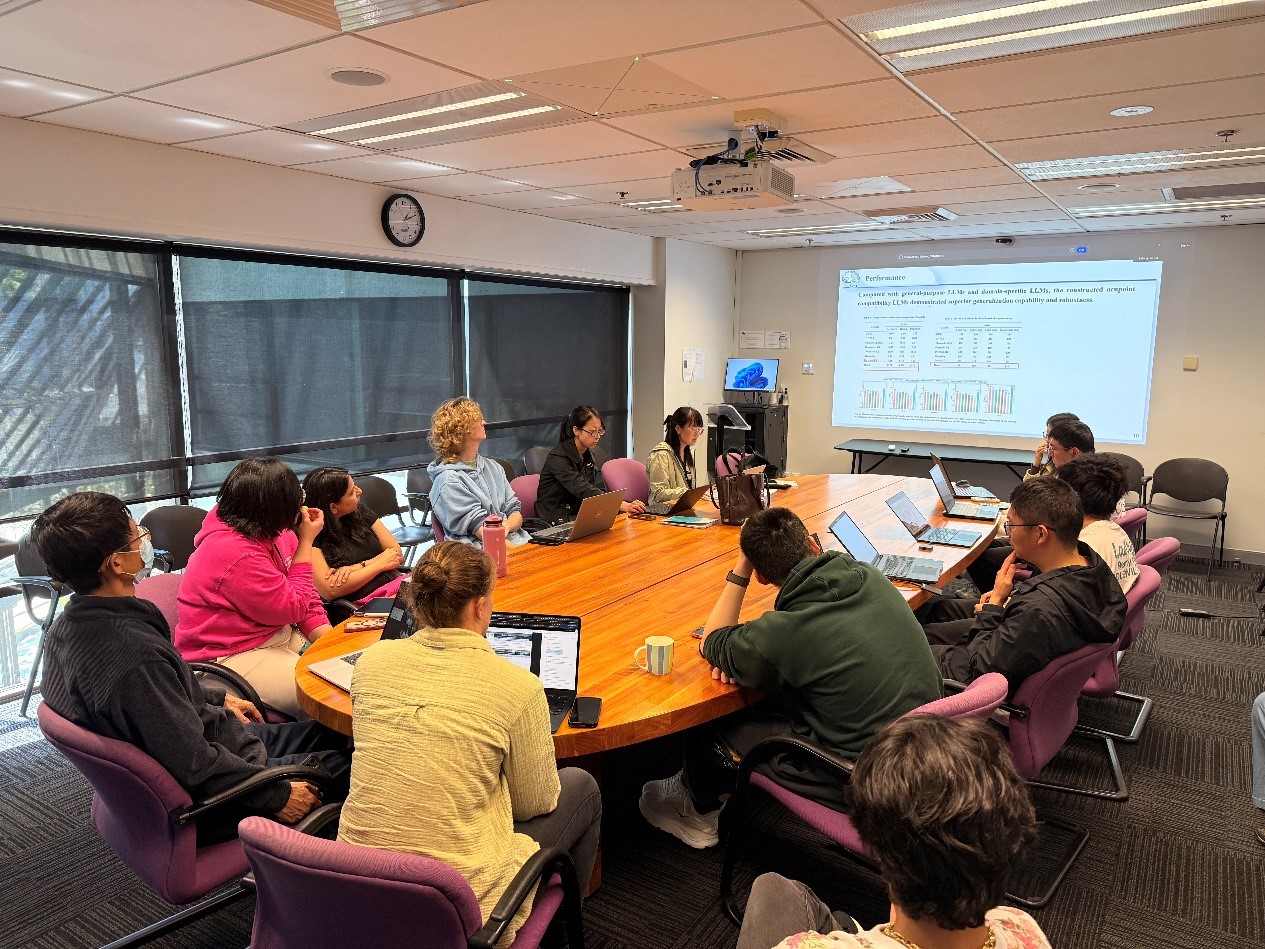
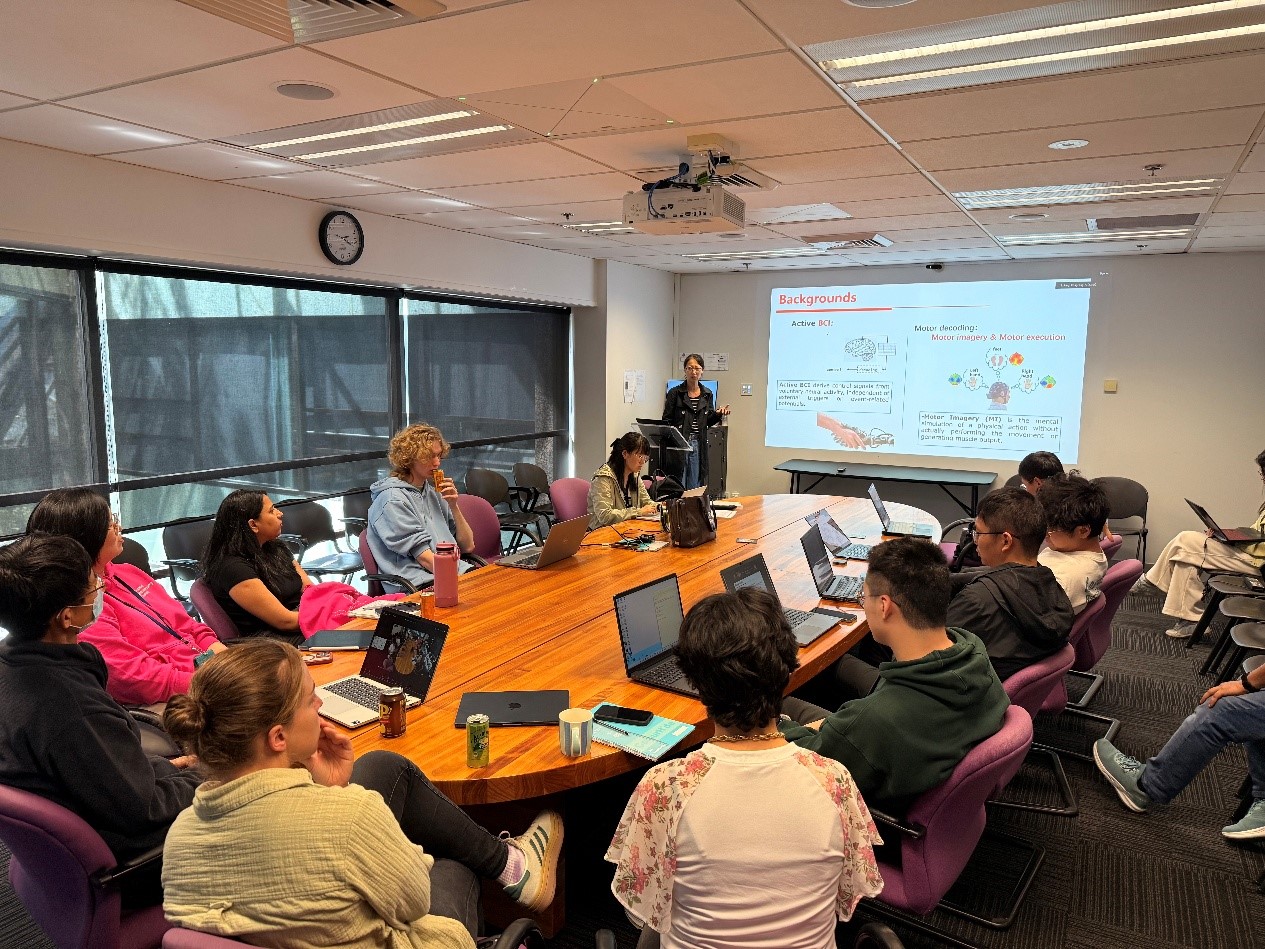
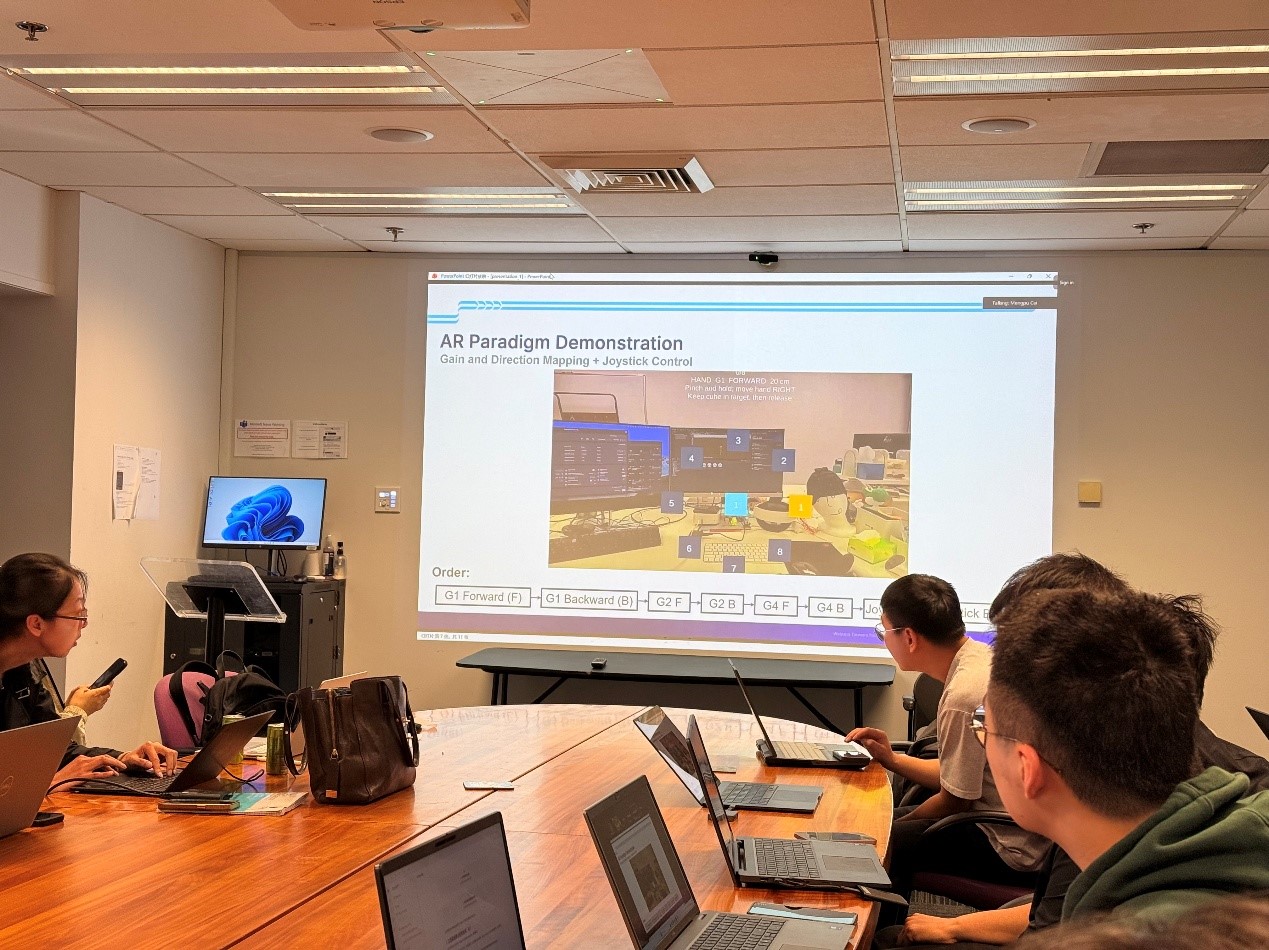
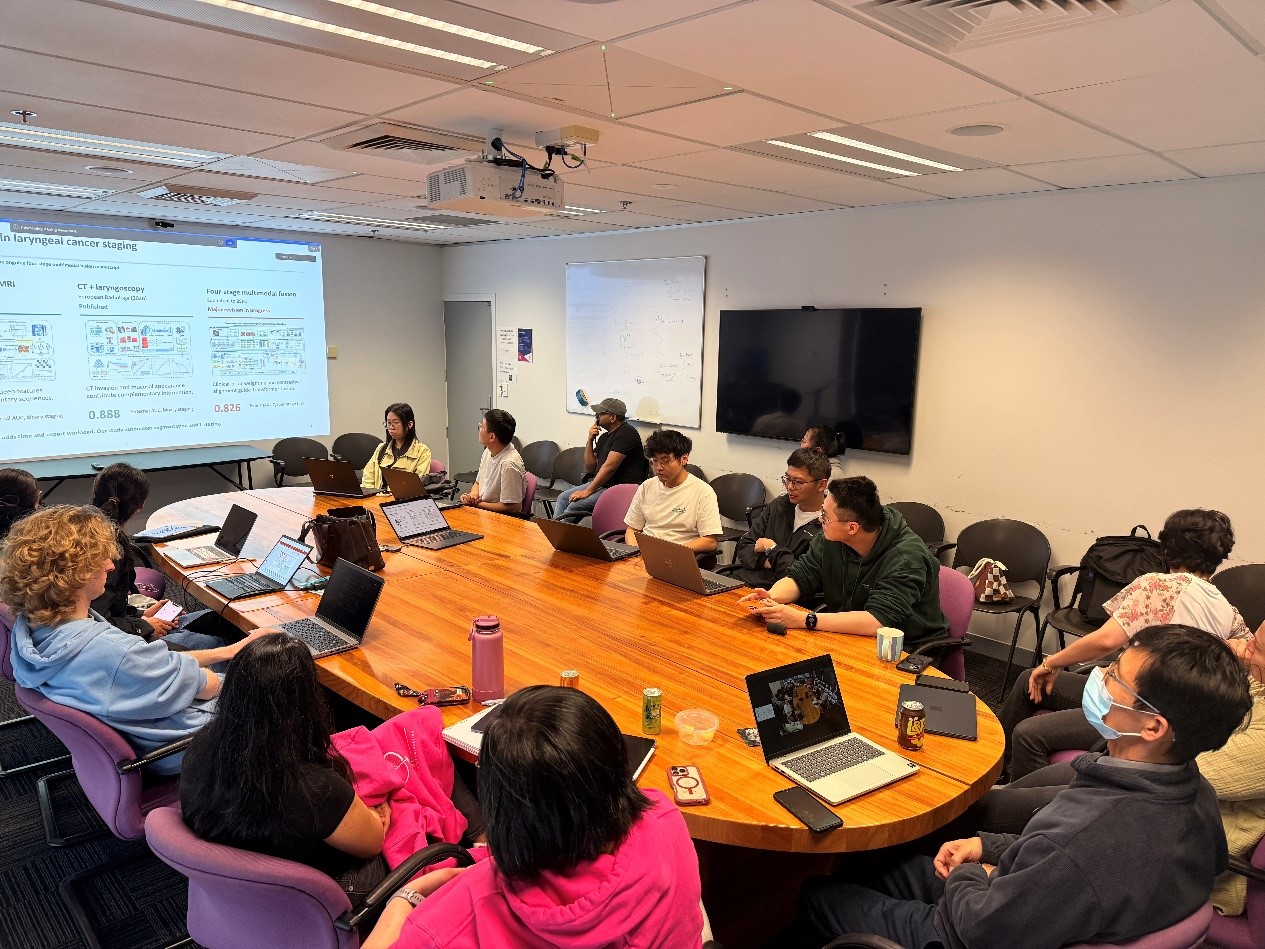
The Symposium on AI for Healthcare: Advanced Medical Data Analytics and Smart Rehabilitation was held on Monday, 19 October 2026, at the Grafton Campus, The University of Auckland. The symposium brought together researchers and students to share recent advances in artificial intelligence, medical imaging, biomedical signal processing, and intelligent rehabilitation technologies, with a focus on their applications in healthcare.

The programme featured seven research presentations covering multimodal neuroimaging and federated learning for post-stroke recovery prediction, augmented reality (AR) applications for spatial neglect and motor rehabilitation, automated quantification of cerebral oedema progression after stroke, large language models for acupuncture clinical decision-making, EEG-based decoding of hand kinematics, and automated CT segmentation and T-stage classification in laryngeal cancer. These presentations highlighted emerging approaches in machine learning, medical image analysis, human-computer interaction, and AI- assisted clinical assessment and rehabilitation.

A key theme of the symposium was the integration of advanced AI methods with biomedical imaging, physiological signals, and rehabilitation technologies to support more personalised and effective healthcare. The presentations illustrated opportunities for improving disease assessment, predicting clinical outcomes, and developing adaptive rehabilitation interventions. The symposium also provided a platform for considering challenges related to multimodal data integration, model generalisation, clinical validation, and the translation of AI technologies into practical healthcare applications.

Overall, the symposium provided a valuable opportunity for interdisciplinary knowledge exchange and collaboration among researchers working in AI, biomedical engineering, medical imaging, and rehabilitation. It highlighted ongoing research developments and potential directions for future collaborative projects, particularly in intelligent neurorehabilitation, AI-driven clinical decision support, and personalised healthcare technologies.

Image 1
Image 2
Image 3
Image 4

Access to Symposium: ICBioMed 2026 Symposium -- Auckland - YouTube